


Custom Tile
Elevate your space with our custom tiles, meticulously designed for durability, style, and a personalized touch that enhances any environment.
Click to learn more
Floors & Walls
Floors and walls adorned with natural stone: enduring beauty, unparalleled texture, and a touch of sophistication for every space.
Click to learn more
Natural Stone
Timeless elegance forged by nature’s artistry, offering durability, unique textures, and unmatched sophistication for any architectural or design project.
Click to learn more
Tile Installation
Expert tile installation ensuring precision, durability, and aesthetic harmony, transforming your space with professional craftsmanship and meticulous attention to detail.
Click to learn more
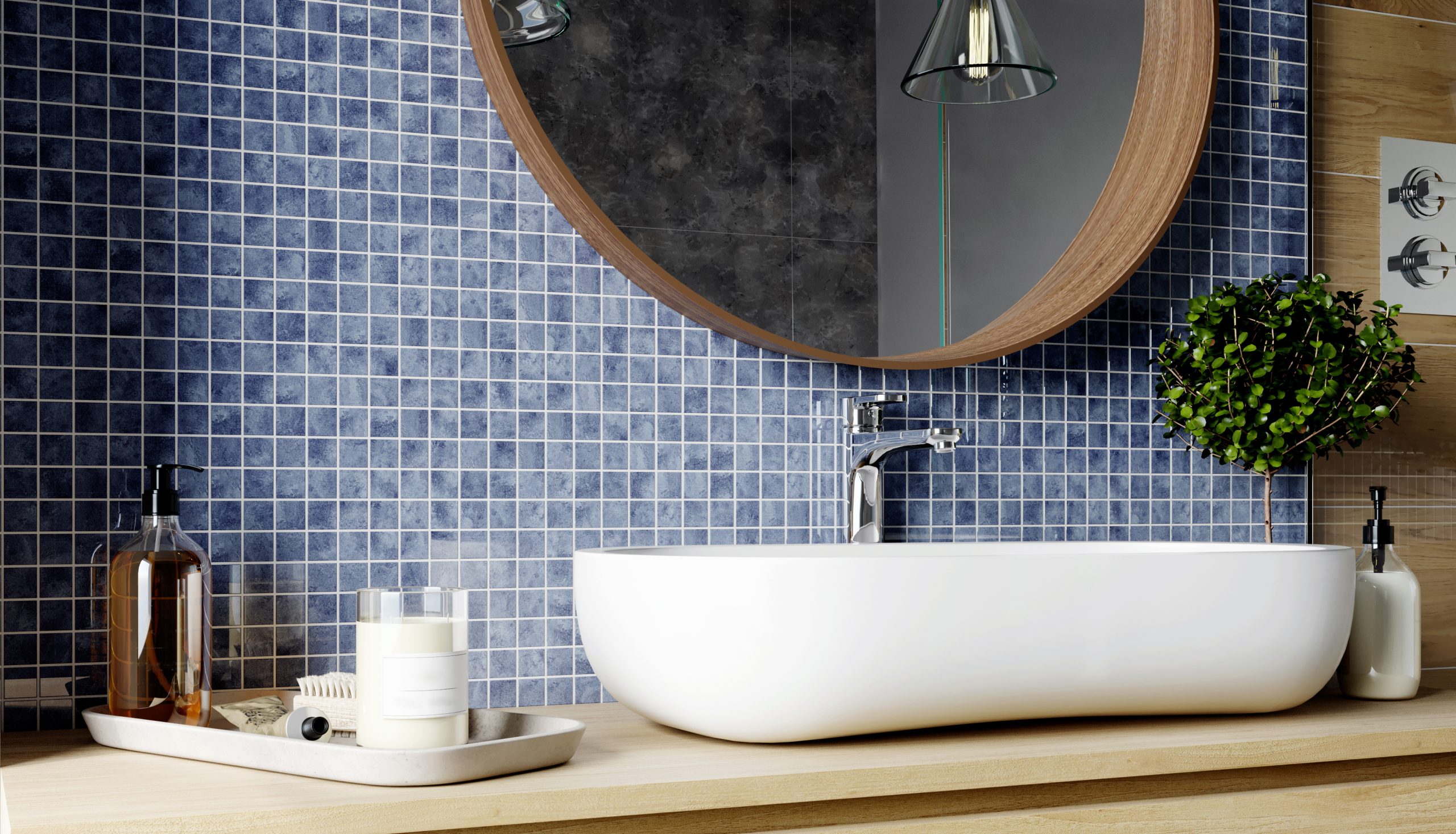
What Can You Do When Your Bathroom Tiles Are Cracking or Coming Loose?
Bathroom tiles can crack, loosen, or separate from the surface when moisture gets beneath them, the underlying material begins to move, or the original installation starts to fail. These problems can become more noticeable around showers, tubs, and other areas exposed to frequent moisture.
Replacing individual tiles may work when the damage is limited, but widespread cracking or loose tiles can indicate a larger problem. Before installing new tile, the underlying surface should be inspected for moisture damage or movement. Proper preparation, waterproofing where needed, and professional tile installation can help create a more durable bathroom surface.
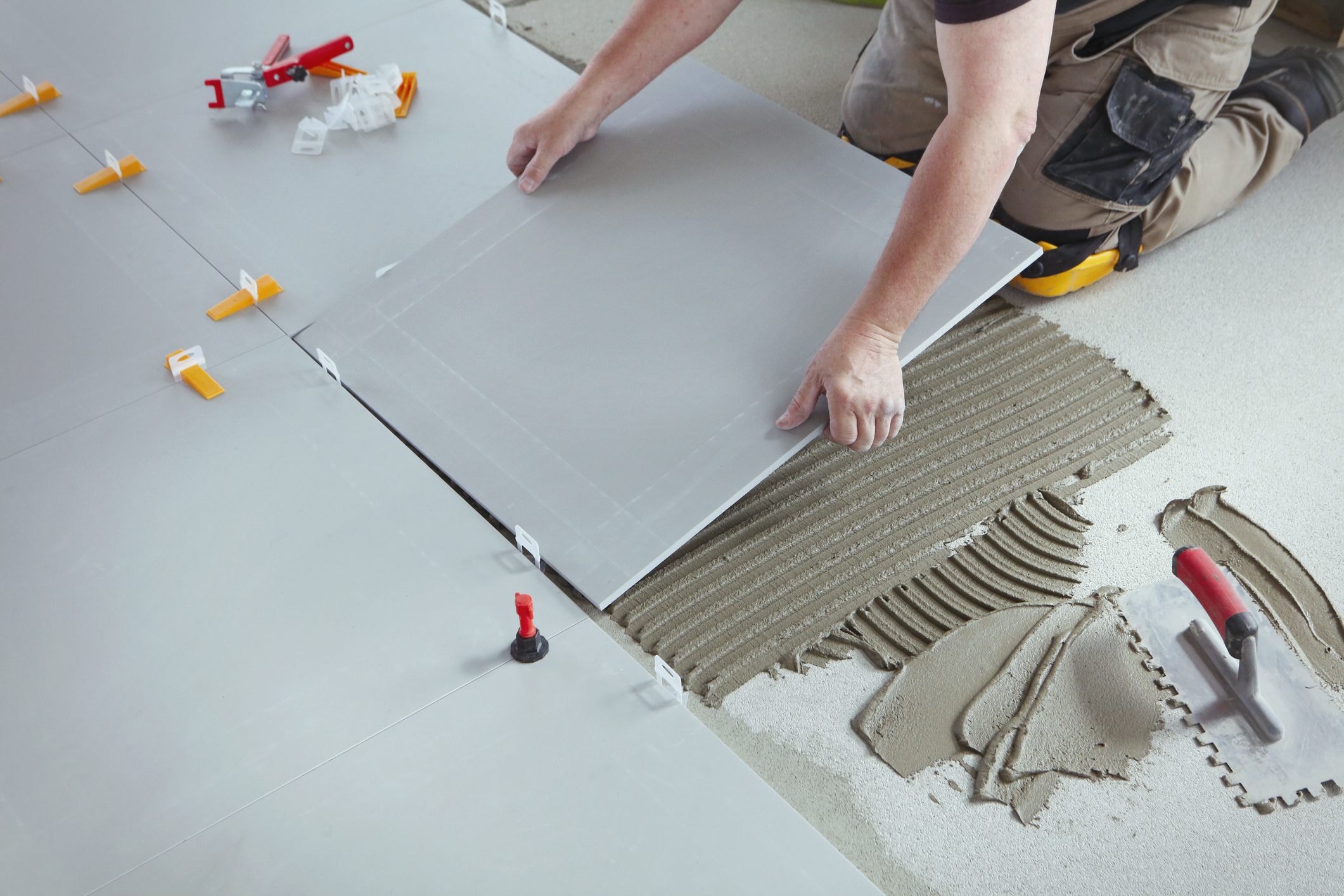
When Should You Replace an Old Tile Floor Instead of Repairing It?
An older tile floor may develop cracked tiles, loose sections, uneven surfaces, or deteriorating grout after years of use. While replacing a few damaged tiles can be practical, repeated repairs may become frustrating when problems continue appearing throughout the room.
When damage is widespread or the underlying floor needs attention, replacing the tile may be the better long-term option. Removing the existing flooring allows the subfloor to be inspected and prepared before new materials are installed. Choosing durable tile suited to the room’s moisture levels and daily traffic can help create a floor that’s easier to maintain and better suited to the space.
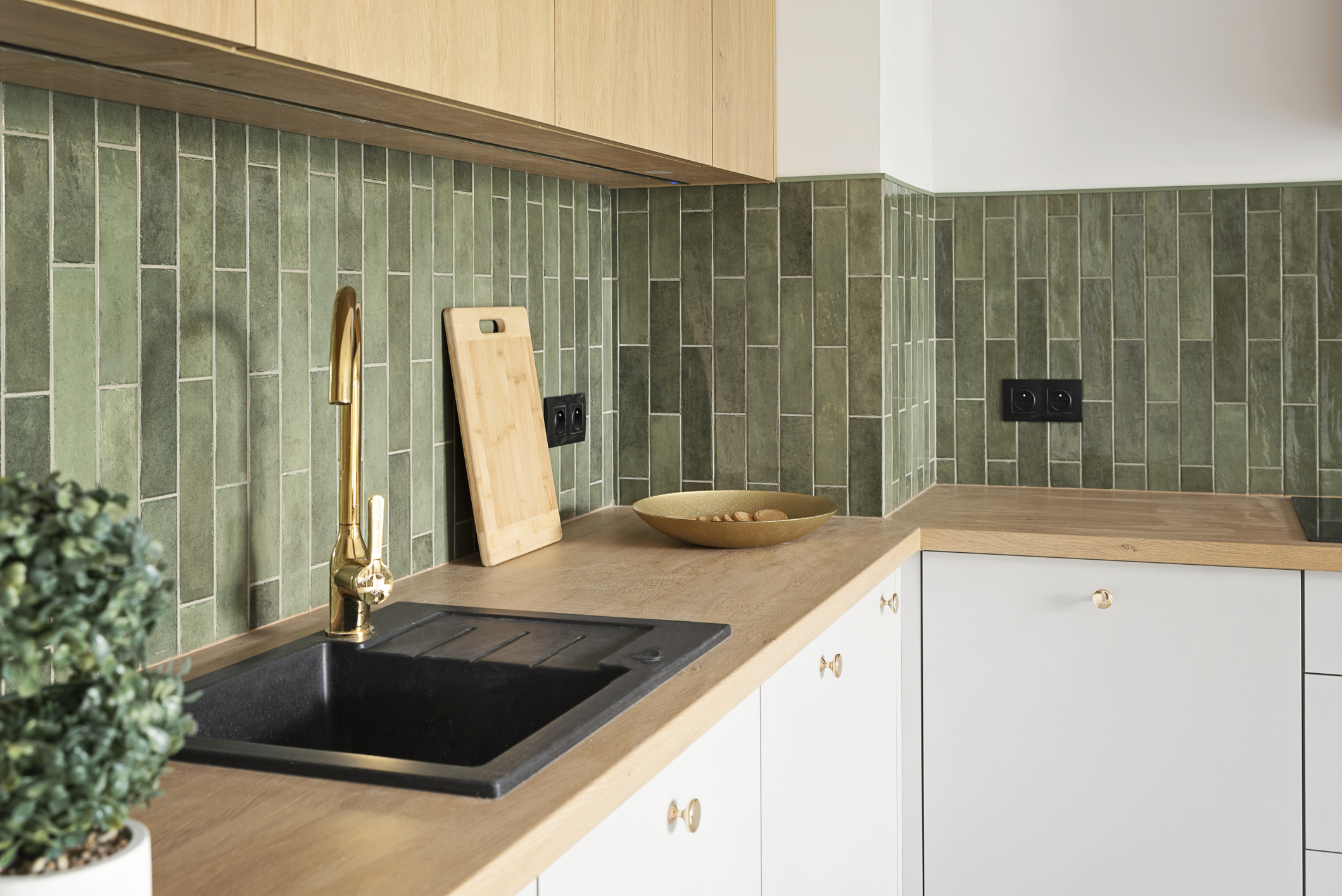
How Can You Update an Older Kitchen With New Tile?
An older kitchen may have worn flooring, outdated wall finishes, or tile that no longer complements the rest of the home. Even when the layout and cabinetry still work well, these surfaces can make the space feel dated and difficult to maintain.
Updating the kitchen’s tile flooring or wall surfaces can improve its appearance without changing the entire room. New tile offers opportunities to introduce different colors, patterns, and textures while choosing materials suited to everyday use. Ceramic tile, natural stone, and custom decorative pieces can also add character to the space. Selecting the right materials and preparing the surfaces properly helps create a finished kitchen that looks better and functions well for years to come.


