


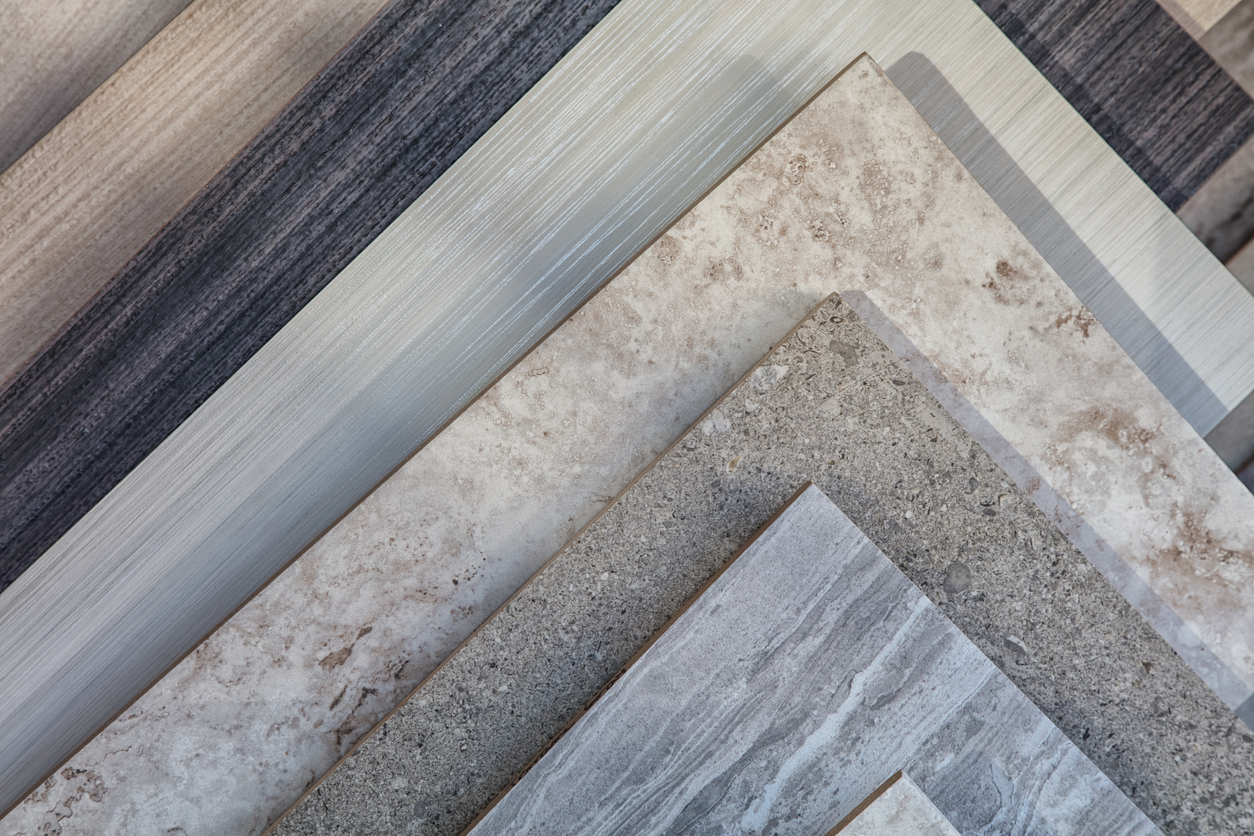
What Should You Consider When Choosing Tile for Your Home?
Choosing tile for your home involves more than finding a color or pattern you like. The right tile should suit the space where it will be installed, handle the expected level of moisture and foot traffic, and fit your cleaning and maintenance preferences.
A kitchen backsplash, bathroom floor, and decorative wall accent all have different requirements. Understanding how tile materials, sizes, finishes, and installation conditions affect performance can help you narrow down your options.
- TL;DR
- Choose tile based on where it will be installed and how the surface will be used.
- Consider material, finish, durability, cleaning requirements, and grout maintenance.
- Use samples to compare colors, textures, and patterns in your home's lighting.
Which Tile Materials Should You Consider?
How Does the Room Affect Your Tile Choice?
Why Do Tile Size and Finish Matter?
Should You Use Decorative or Handmade Tile?
Choosing the Right Tile for Your Home
Choosing the right tile involves more than appearance. At Maine Tile Connection, we offer a variety of ceramic, porcelain, natural stone, and decorative tiles to complement your space. From material selection and tile sizes to finishes and handmade accents, explore the key factors that can help you create a beautiful, functional, and lasting design.
Find Tile That Fits Your Space
Whether you’re planning a kitchen backsplash, updating a bathroom, or exploring decorative tile, it helps to compare materials and designs before making a final decision. Explore the tile selections at Tile Connection and contact us with questions about finding the right products for your project.
Frequently Asked Questions
Choosing the right tile involves considering style, durability, and where it will be installed. At Maine Tile Connection, we help homeowners explore tile options that suit their spaces and design preferences. Browse our FAQs to learn more about ceramic and porcelain tiles, coordinating floor and wall designs, and selecting suitable materials for bathrooms.
Not necessarily. Porcelain often has lower water absorption, but the best choice depends on the application, product rating, appearance, and budget.
They can, but they don't have to. Coordinating colors or finishes can create a consistent design while allowing different materials or sizes for each surface.
Check the manufacturer's recommended applications, slip-resistance information, and any limitations related to moisture exposure.
